Laser Marking of Parts: How It Works and Why It’s the Smart Choice
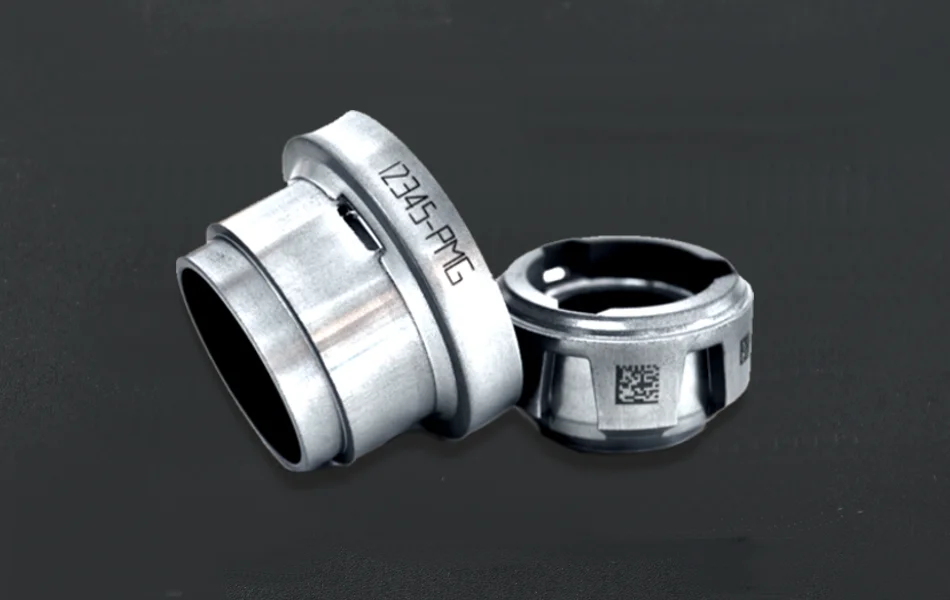
Laser marking has become the preferred technology for industries that require fast, precise, and permanent part identification. From intricate logos to traceable serial numbers, modern laser systems deliver high-quality results without physically contacting the surface. In this guide, we’ll explain how this process works, why it outperforms other methods, and which Datamark laser marking system is best for your production needs.
How the Process Works
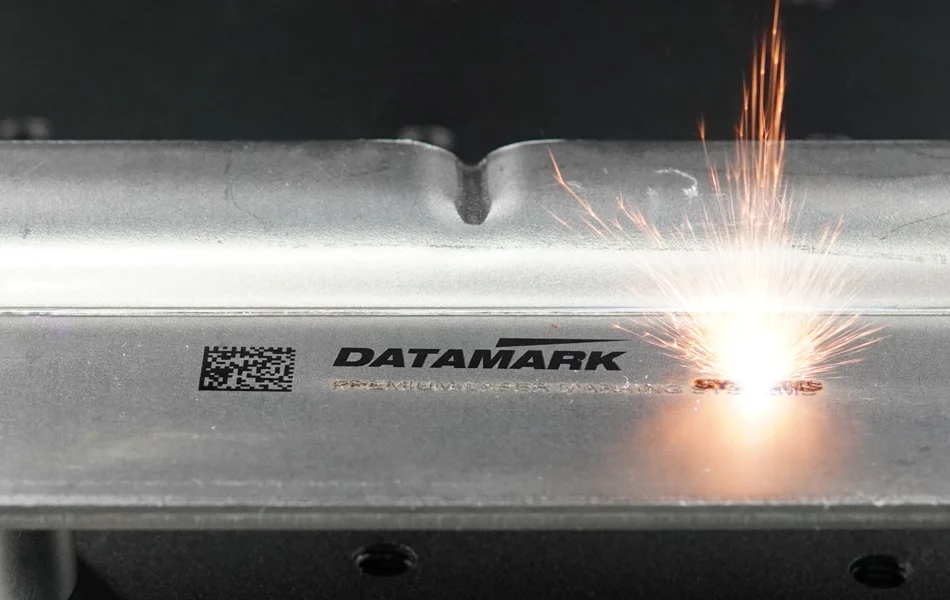
Laser systems use a concentrated beam of light to alter the surface of materials. Depending on the type (fibre, UV, CO2), the laser can remove, heat, or chemically change the surface to create permanent marks. Controlled by advanced software, the beam produces text, graphics, barcodes, or QR codes with extreme precision.
Main Marking Techniques:
- Engraving: Removes material to create a deep, tactile mark.
- Etching: Uses heat to create high-contrast marks without deep cuts.
- Annealing: Changes the colour of the metal surface without removing material. Example: marking surgical instruments.
- Foaming: Produces light marks on plastics by creating micro-bubbles in the material.
Benefits of Precision Part Identification
- High accuracy: Perfect for small characters, fine details, and complex designs.
- Permanent and durable: Resistant to abrasion, heat, and chemicals.
- Fast production: Ideal for high-volume manufacturing with minimal downtime.
- Non-contact: No tool wear or surface damage.
- Eco-friendly: Requires no inks, acids, or consumables.
Our Industrial Laser Solutions
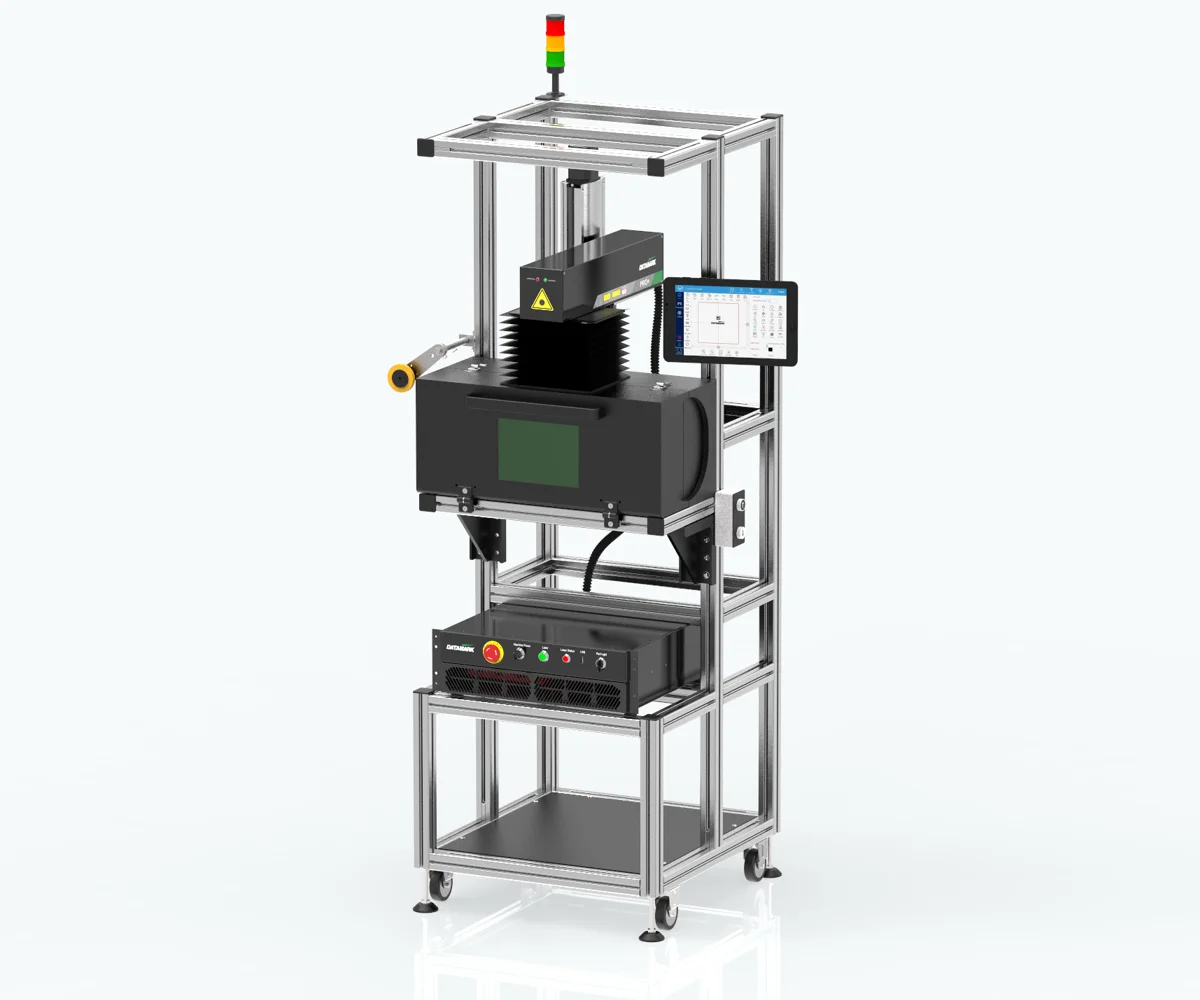
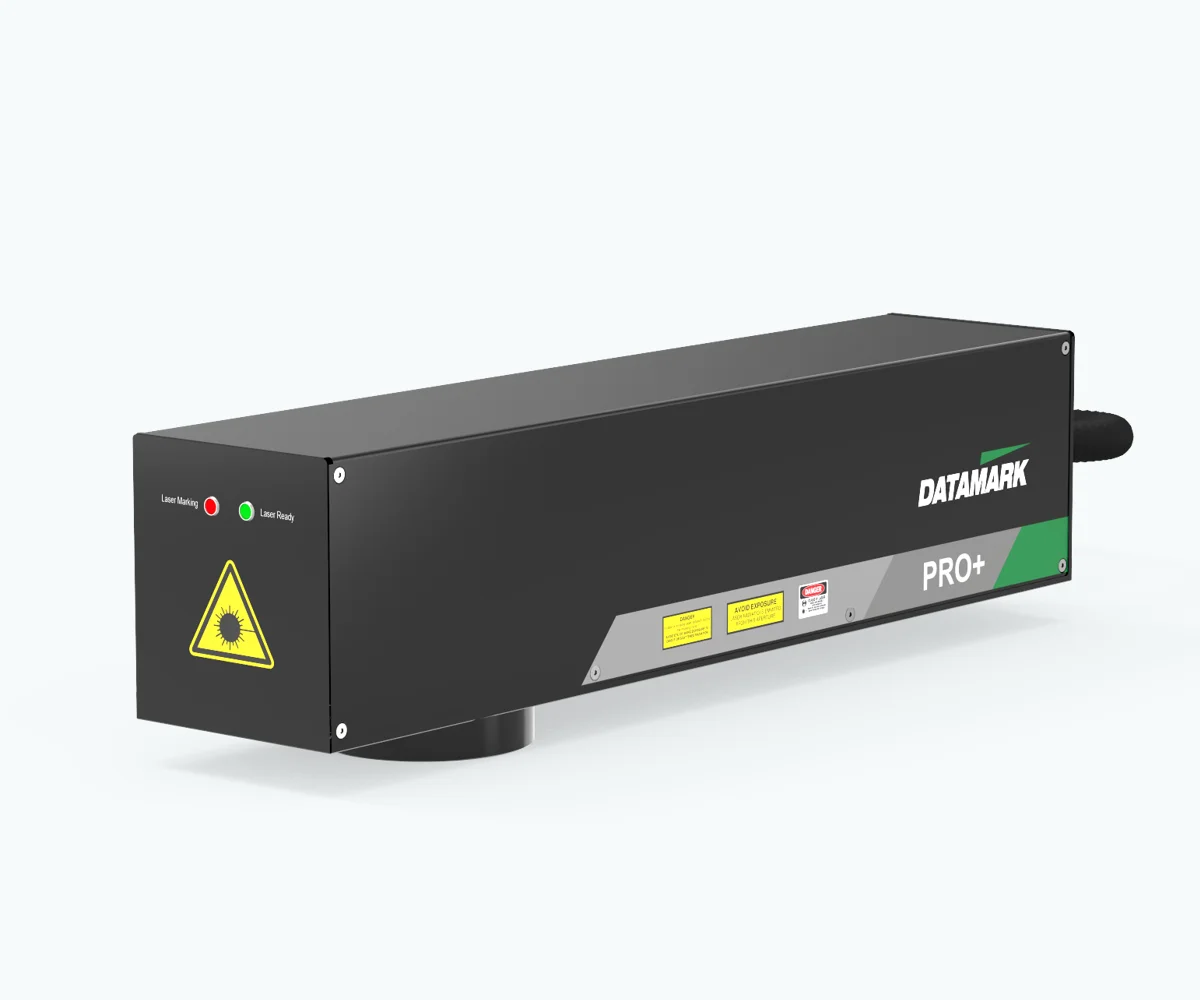
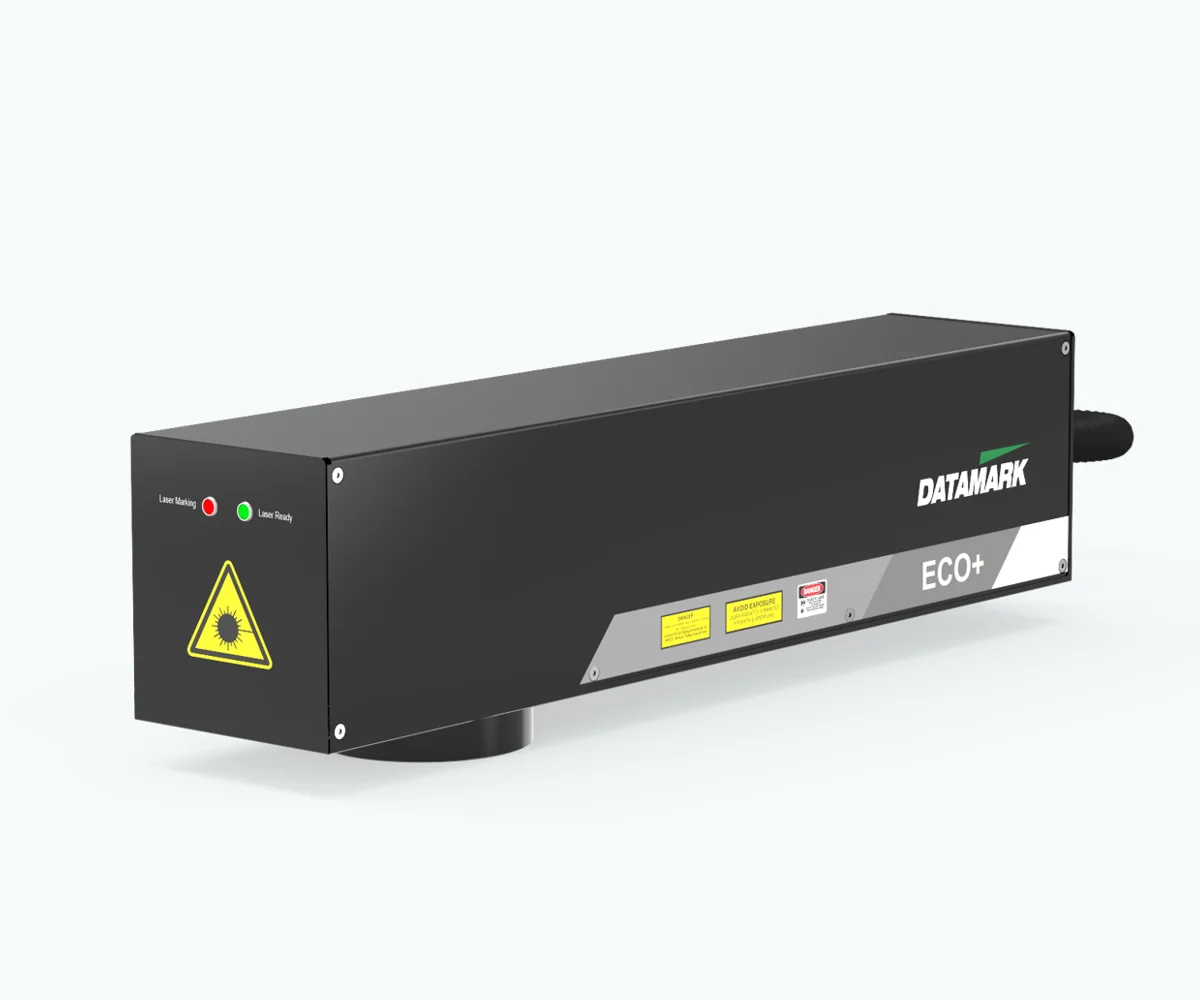
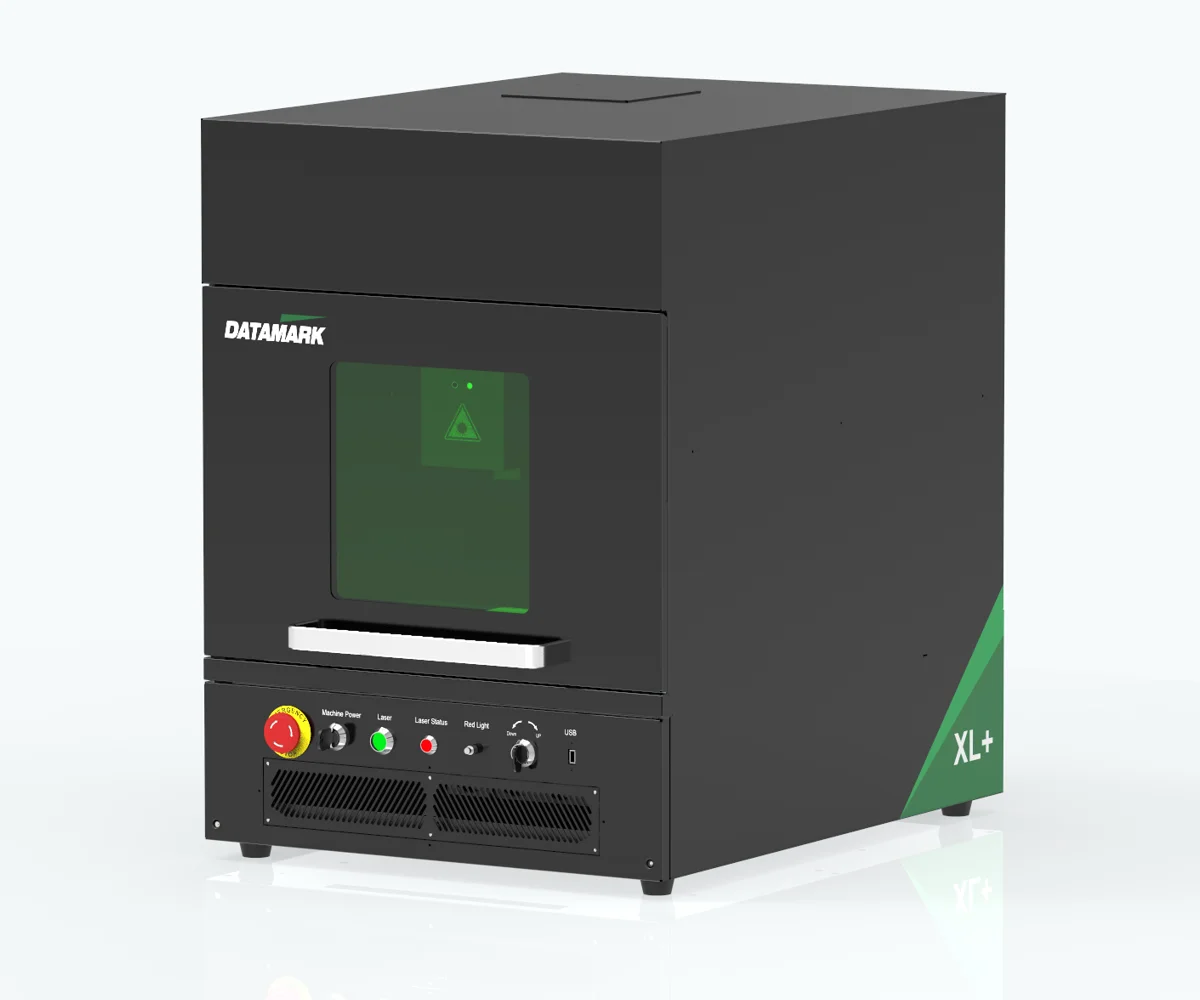
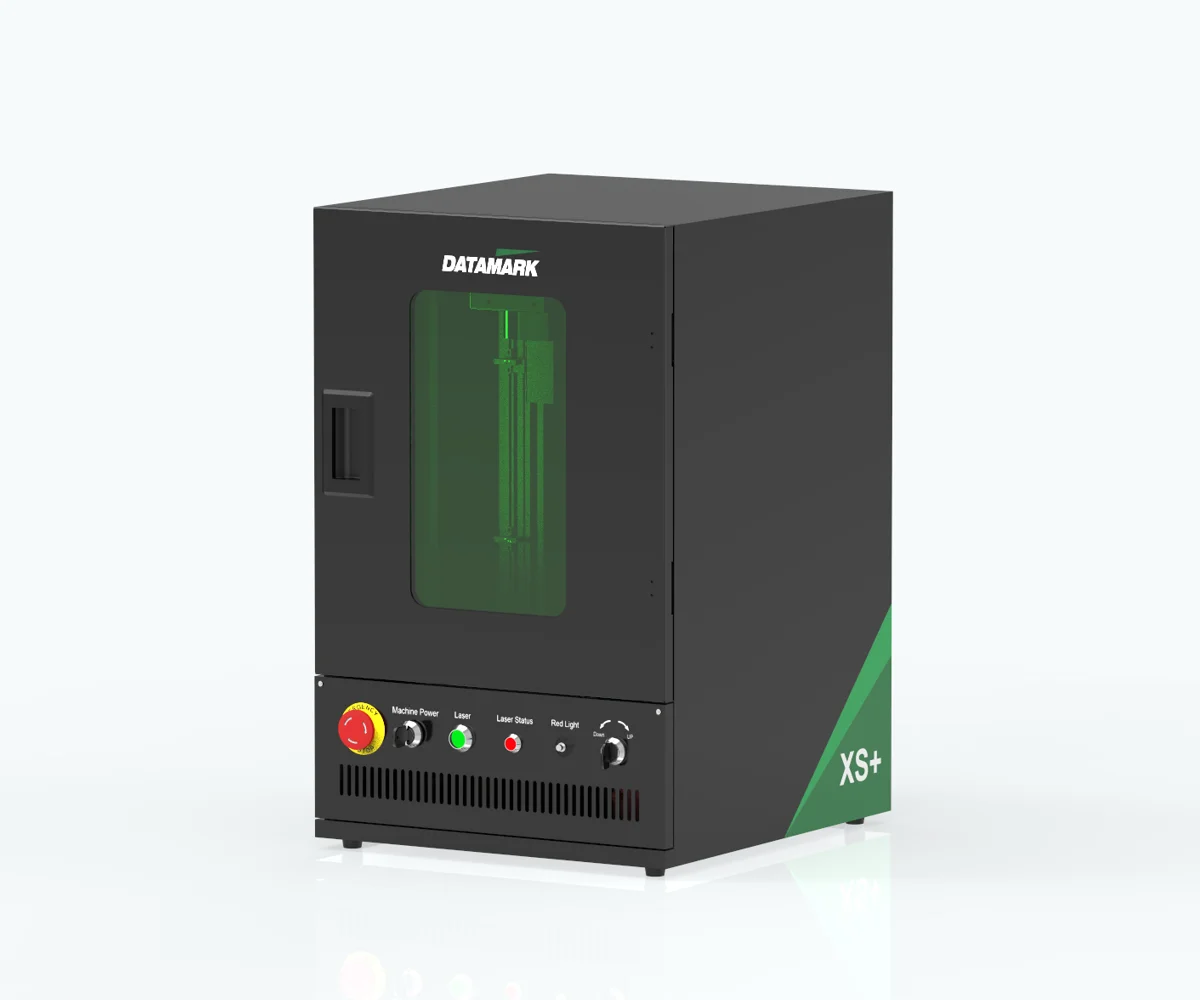
At Datamark UK, we design and manufacture industrial laser systems for a variety of applications:
- Fibre lasers: Excellent for metals and some plastics, offering unmatched speed and contrast.
- UV lasers: Ideal for delicate materials, electronics, and high-precision micro-marking.
- CO2 lasers: Perfect for organics, wood, paper, and many plastics.
Where This Technology Excels
Laser marking is widely used in industries that demand traceability, branding, and compliance:
- Automotive: VIN numbers, part identification, compliance codes.
- Electronics: PCB marking, microchips, component labelling.
- Medical devices: UDI codes, surgical tools, implant identification.
- Packaging: Expiry dates, batch codes, and logos.
Laser Systems Overview
| Feature | Laser Marking |
|---|---|
| Marking Method | Laser beam alters surface structure or removes material |
| Material Contact | No |
| Precision | Extremely high, suitable for micro-scale text and graphics |
| Maintenance | Very low – no physical tooling |
| Speed | Very fast – suitable for inline production |
| Environmental Impact | Eco-friendly – no inks or consumables |
Conclusion
For precise, permanent, and efficient part identification, laser technology is the smart choice. Whether you work in automotive, aerospace, electronics, or medical manufacturing, Datamark UK has a solution to match your requirements. Explore our full range of industrial laser systems or contact us for expert advice and a live demo.